
Eat of the Good Things [2:172]
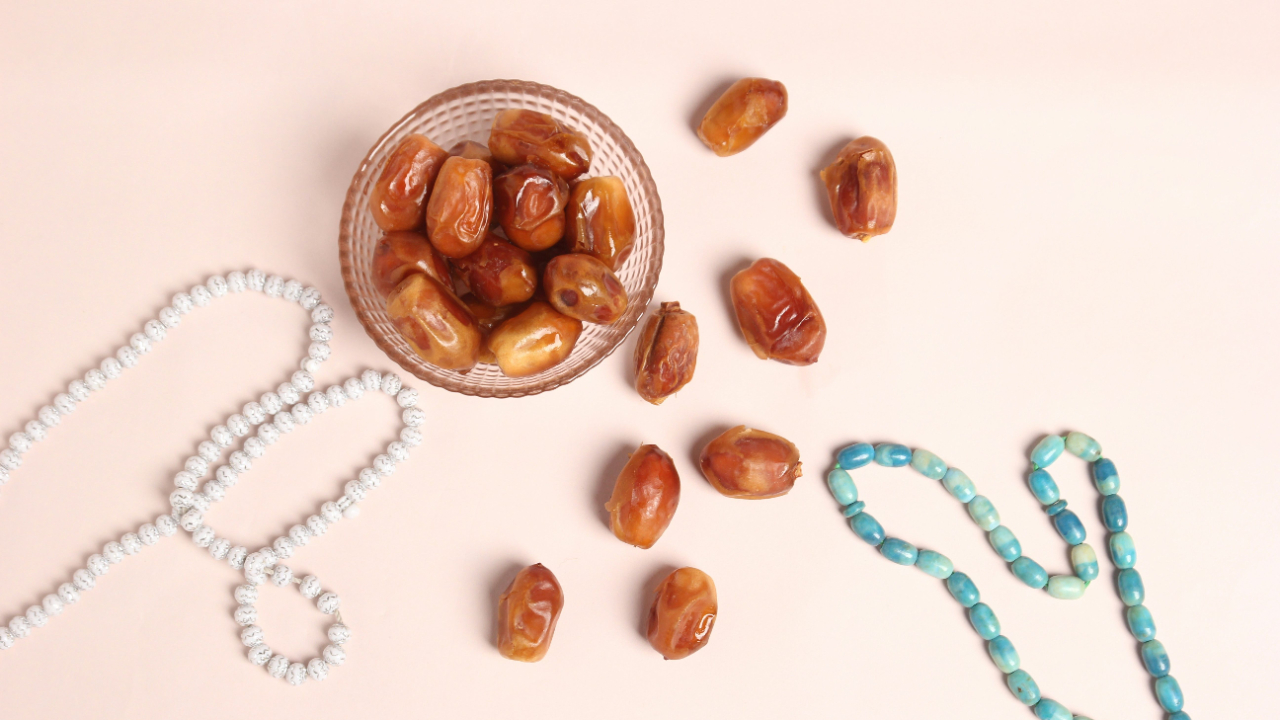
Among the many blessings Allah has bestowed upon us, food is one of the most fundamental. The Quran repeatedly reminds us to partake in what is halal and tayyib:
يَا أَيُّهَا الَّذِينَ آمَنُواْ كُلُواْ مِن طَيِّبَاتِ مَا رَزَقْنَاكُمْ وَاشْكُرُواْ لِلّهِ إِن كُنتُمْ إِيَّاهُ تَعْبُدُونَ
[2:172] O you who believe! eat of the good things that We have provided you with, and give thanks to Allah if Him it is that you serve.
This verse, like many others, encourages us to enjoy the sustenance provided by Allah. However, the command to eat what is tayyib (pure, wholesome) expands the discussion beyond mere permissibility (halal). It encompasses nutrition, ethics, and even spirituality. In our modern world, where commercial farming and ultra-processed foods dominate the market, we must reassess what it truly means to eat tayyib and its impact on our physical, mental, and spiritual well-being. And its impact on the environment as well.
Pleasure is Not Forbidden in Islam
One of the common misconceptions is that Islam discourages pleasure. However, within the bounds of moderation, enjoyment is encouraged. The Prophet Muhammad (peace be upon him) appreciated good food and even spoke highly of certain dishes. Various narrations tell us that he enjoyed dates and honey and shoulder of lamb, showing that appreciating good food is part of a balanced life. What Islam warns against is excess—overeating, indulgence without gratitude, the neglect of one’s body and being mindless of the impact of our actions.
Beyond Halal: The Meaning of Tayyib Food
While halal ensures that food is permissible according to Islamic law, tayyib goes further, implying purity, wholesomeness, and beneficial nourishment. Halal chicken nuggets loaded with preservatives and unhealthy additives may technically be lawful, but can we truly call them tayyib? The modern diet, which is heavily reliant on ultra-processed foods, preservatives, and artificial flavoring, has been linked to numerous health issues, including obesity, diabetes, heart disease, and mental health disorders.
Recent research has highlighted the negative effects of what some nutritionists call the MAD diet (Modern American Diet). Studies show that highly processed foods and chemical additives can negatively impact our mental health as well, contributing to depression, anxiety, and cognitive decline. Artificial additives and excessive sugar intake have been linked to behavioral issues in children and increased risks of chronic diseases. The Quranic emphasis on tayyib food urges us to nourish our bodies with wholesome, unprocessed, and nutrient-dense foods that sustain both our physical and mental well-being.
The Body is an Amanah (Trust)
Islam teaches that our bodies are a trust (amanah) from Allah, and we will be held accountable for how we treat them. The Prophet (peace be upon him) advised moderation in eating, saying: "No man fills a container worse than his stomach. A few morsels that keep his back upright are sufficient for him. If he must eat more, then he should fill one-third with food, one-third with drink, and leave one-third for air."
This hadith underscores the importance of mindful eating, which has numerous modern-day health benefits. By now, many of us are familiar with or have heard about the addictive nature of various foods such as artificial sugars which cause us to overeat. Overeating has been linked to sluggishness, reduced mental clarity, and long-term diseases. The Islamic approach promotes balance, teaching us that while eating is an act of sustenance and pleasure, it should never become an act of excess.
The Spiritual Downsides of Overeating
Beyond the physical consequences, overindulgence in food can have a profound impact on our spiritual state. A bloated stomach can lead to lethargy, making it difficult to engage in acts of worship such as prayer and reflection. The scholars of the past warned that excessive indulgence in food leads to qaswat al-qalb (hardness of the heart), making one less inclined to spiritual reflection and self-discipline.
A disciplined approach to eating fosters self-control, humility, and a deeper connection to Allah. When we eat mindfully and with gratitude, we transform our meals into an act of worship.
If we are serious about upleveling our wellbeing, we do need to pay attention to our food. By choosing foods that are tayyib, being mindful of our portion sizes, and appreciating the sustenance given to us, we align our daily habits with divine wisdom. And what better time to start practicing this than the month of Ramadan.
The podcast episode is uploaded here
And have you subscribed to the YouTube channel and Podcast? It will ensure you will not miss a single episode and you can catch up on past episodes as well!
Could you do with a small, daily dose of inspiration?
Sign up for Quran Reflections delivered to your inbox!
Join me on YouTube for reflections and teachings to help you live the Quran daily!

Tune in to Loving & Living the Quran on Apple Podcasts for deeper conversations and inspiration.
Recent Posts

Marzia Hassan
Author
I am a counsellor specializing in couple therapy and parent coaching in Toronto, Ontario, Canada. Although my first degree was in Law (LLB from the University of Toronto), I realised that my true passion lay in counselling and coaching families and couples to build better relationships. I therefore started training in family and couple therapy and have been practicing marriage and family therapy for almost a decade.
