
Learn to love what is good for you [2:216]
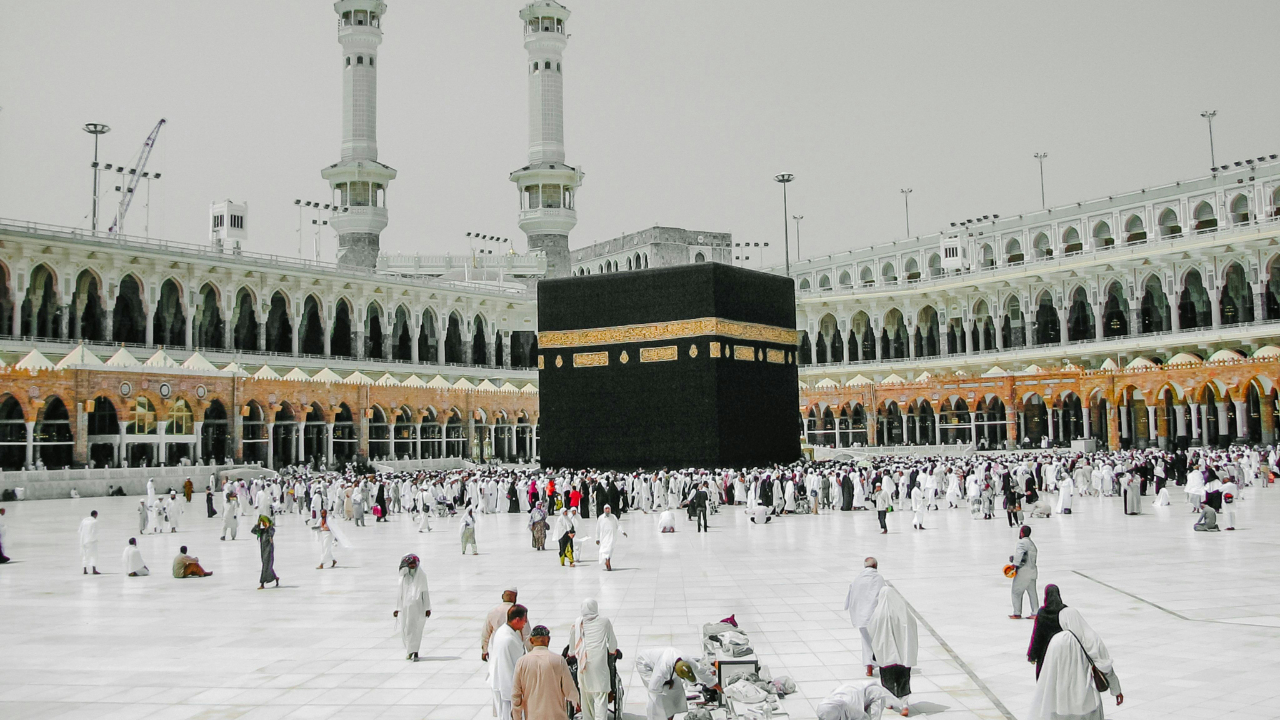
وَعَسَى أَن تَكْرَهُواْ شَيْئًاوَهُوَ خَيْرٌ لَّكُمْ وَعَسَى أَن تُحِبُّواْ شَيْئًا وَهُوَ شَرٌّ لَّكُمْ وَاللّهُ يَعْلَمُ وَأَنتُمْ لاَ تَعْلَمُونَ
[2:216] and it may be that you dislike a thing while it is good for you, and it may be that you love a thing while it is evil for you, and Allah knows, while you do not know.
In this verse, Allah reminds us of a profound truth: human perception is limited. We may detest something that holds hidden benefits or long for something that harms us. This verse from Surah Al-Baqarah is an invitation—to trust, to surrender, and to cultivate a mindset of growth by embracing discomfort.
This realization, deeply embedded in Islamic teachings, is also supported by psychological research and contemporary discussions on resilience and discomfort.
As we continue exploring well-being through the lens of the Quran this Ramadan, we build on our last reflection on how Allah desires ease for us—not through indulgence, but through the strengthening of our souls. This verse expands on that idea by reminding us that our instincts about what is "good" or "bad" for us are often shortsighted. We love staying in bed for example, when our wellbeing lies in going for a walk, going to work etc. Human beings love comfort and those that succeed in life recognize that this love of comfort cannot stand in the way of functioning and achievement.
So in order to pursue true wellbeing, we need a willingness to embrace discomfort.
Discomfort as Growth: Insights from Psychology
Michael Easter’s book, The Comfort Crisis, argues that modern life has removed the very struggles that humans evolved to endure. The constant pursuit of comfort—physically, emotionally, and socially—has left us weaker, both mentally, emotionally and physically. One of the key messages in the book is that modern life is comfortable, but it's not making us happy. Our lives are undeniably easier now, but we are more depressed, anxious and unhappy than ever before.
Another striking example of how comfort can harm us is presented in the book Sitting Kills, Moving Heals by Joan Vernikos. The book highlights how prolonged sitting—something that feels good and effortless in the short term—contributes to a range of health issues, including obesity, heart disease, and cognitive decline. Vernikos, a former NASA scientist, explains how the human body is designed for movement, and yet, modern convenience has drastically reduced our daily physical activity, leading to long-term harm.
Both Easter and Vernikos present research on how embracing voluntary hardship, such as fasting, movement, cold exposure, or solitude, fosters resilience and deepens satisfaction in life.
In essence, what feels "bad" in the moment (discomfort, challenge, effort) is often what allows us to flourish in the long run. This mirrors the wisdom of the Quran: our immediate preferences and aversions do not always align with our ultimate well-being.
Short-Term vs. Long-Term Gains
We often prioritize short-term pleasure over long-term gain—seeking ease, convenience, and immediate gratification at the expense of discipline and sacrifice. However, what Allah calls us toward is the opposite: to endure temporary hardship for lasting benefit.
Trials, though painful in the moment, serve a greater purpose. Just as an athlete pushes through pain in training to achieve peak performance, or a student struggles through study to gain knowledge, our spiritual and personal growth also demand patience and perseverance. This perspective helps reframe our struggles: instead of seeing them as punishments, we recognize them as pathways to deeper fulfillment.
Ramadan as a Training Ground for Trust and Growth
Fasting in Ramadan is the ultimate practice of this principle. Abstaining from food, drink, and desires seems difficult, yet it cultivates discipline, gratitude, and spiritual elevation. It forces us to challenge our assumptions about what we "need" and teaches us that true fulfillment does not come from indulgence but from self-control and devotion.
When we experience hunger, we might momentarily think, "I hate this." But by the time we break our fast, we [inshallah] realize how much stronger we have become.
Ramadan itself is proof that what seems difficult can be deeply nourishing for the soul. It reminds us that embracing discomfort can be a gateway to profound ease.
So how can we learn to love what is good for us rather than submit to momentary pleasures and comforts?
- Reframe Hardships– When faced with a challenge, ask yourself: Is this something I am resisting simply because it is uncomfortable? Could it be shaping me for the better?
- Trust Allah’s Wisdom– When something doesn’t go your way, remind yourself of this verse.
- Embrace Discomfort Intentionally– Small acts of voluntary hardship, like fasting outside of Ramadan, waking up for Tahajjud, or practicing patience in difficult conversations, can help strengthen our ability to endure life's bigger challenges.
- Seek Long-Term Gain Over Short-Term Pleasure– Ask yourself: Am I making choices based on immediate comfort or lasting well-being? Choose actions that your future self will thank you for, even if they feel difficult in the moment.
- Choose What Benefits Your Future Self– Every decision we make shapes the person we become. Opt for habits and choices that build a better, stronger, and wiser version of yourself, rather than indulging in temporary ease at the cost of long-term growth.
The podcast episode is uploaded here
And have you subscribed to the YouTube channel and Podcast? It will ensure you will not miss a single episode and you can catch up on past episodes as well!
Wishing you a day full of spiritual fulfillment, positivity, purpose and peace.
Could you do with a small, daily dose of inspiration?
Sign up for Quran Reflections delivered to your inbox!
Join me on YouTube for reflections and teachings to help you live the Quran daily!

Tune in to Loving & Living the Quran on Apple Podcasts for deeper conversations and inspiration.
Recent Posts

Marzia Hassan
Author
I am a counsellor specializing in couple therapy and parent coaching in Toronto, Ontario, Canada. Although my first degree was in Law (LLB from the University of Toronto), I realised that my true passion lay in counselling and coaching families and couples to build better relationships. I therefore started training in family and couple therapy and have been practicing marriage and family therapy for almost a decade.
