
Be gentle of heart and of speech [3:159]

Our relationships are central to our well-being. Whether it’s our family, friendships, marriages, or communities, the quality of our connections has a profound impact on our mental, emotional, spiritual and even physical health. Research consistently shows that strong, healthy relationships contribute to lower stress levels, increased happiness, and greater resilience in the face of life’s challenges. And conversely, stress in our close relationship greatly negatively impacts our wellbeing.
Islam places immense emphasis on the importance of maintaining and nurturing our relationships. Our vertical relationship with Divinity both impacts and is impacted by the quality of our horizontal relationship with creation. When we are peace in our relationships with each other, it is easy to focus spiritually and when we are connected to Him, it is easier to be kind and forgiving and just. Can you see that?
The Quran is filled with wisdom on how to interact with kindness, resolve conflicts, and...
Remember who you are [17:70]
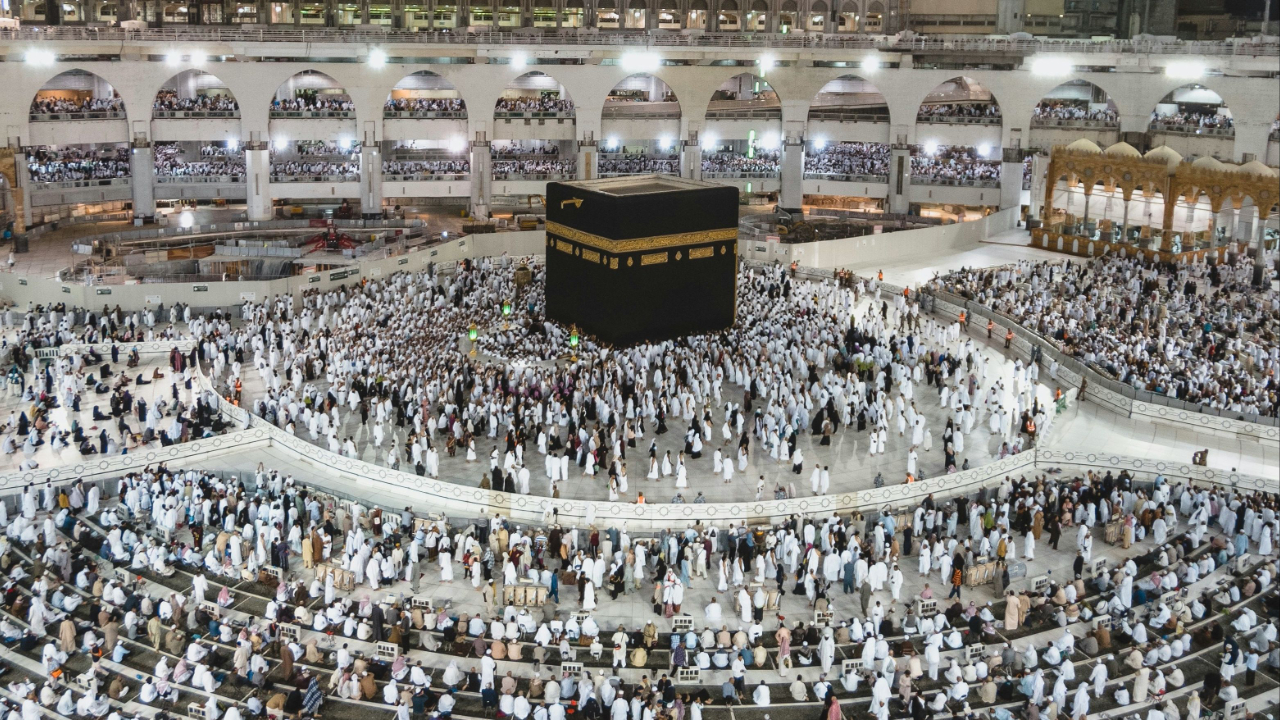
Yesterday we talked about not forgetting Allah [swt] and therefore ourselves. Today, let us remind ourselves of who are meant to be.
In Sura Isra, Allah [swt] reminds us:
وَلَقَدْ كَرَّمْنَا بَنِي آدَمَ وَحَمَلْنَاهُمْ فِي الْبَرِّ وَالْبَحْرِ وَرَزَقْنَاهُم مِّنَ الطَّيِّبَاتِ وَفَضَّلْنَاهُمْ عَلَى كَثِيرٍ مِّمَّنْ خَلَقْنَا تَفْضِيلاً
[17:70] And surely We have honored the children of Adam, and We carry them in the land and the sea, and We have given them of the good things, and We have made them to excel by an appropriate excellence over most of those whom We have created.
Islamic teachings emphasize that human beings are noble creations of Allah, endowed with intellect, free will, and the ability to reflect divine attributes. The Quran reminds us that we are not insignificant beings adrift in the universe, but rather honored creatures capable of profound growth and transformation. This understanding forms the foundation of a healthy sense of self-worth and resilience.
Self-Es...
Be careful of the slow erosion of your values [59:19]

Yesterday we talked about how what we consume impacts our soul and today inshallah let us take this conversation deeper.
In a powerful verse of Suratul Hashr, Chapter 59 of the Quran, Allah [swt] says:
وَلَا تَكُونُوا كَالَّذِينَ نَسُوا اللَّهَ فَأَنسَاهُمْ أَنفُسَهُمْ أُوْلَئِكَ هُمُ الْفَاسِقُونَ
[59:19] And be not like those who forgot Allah, so He made them forget their own souls: these it is that are the transgressors.
Scholars explain that one of the meanings of this verse is that when people regularly "forget" Allah by being unmindful of Him, they cease to listen to what benefits the soul and are unable to do that which would purify it. Since a main purpose of our creation and being on this planet is purification of our hearts and nafs, this is tantamount to "forgetting" ourselves.
The Quran is essentially warning us here about the slow erosion of our spiritual awareness. When we forget Allah, we gradually lose sight of our true identity and purpose. Forgetting oneself mean...
Be mindful of what you consume [80:24]
Yesterday we started talking about eating of the good things. Today inshallah, let us reflect a bit deeper on what we consume.
In verse 24 of Chapter 80, Sura Abassa, Allah [swt] says:
فَلْيَنظُرِ الْإِنسَانُ إِلَى طَعَامِهِ
[80:24] Then let man look to his food,
This short yet profound verse from Surah Abassa serves as an invitation to mindfulness in what we consume. Scholars explain that the verse means that we reflect and contemplate on the vital elements and wonderful structure of the of the natural world and the nourishment it facilitates and then it would should us to think about the Creator, Who has created the system that gives us this nourishment.
While the apparent and first meaning of this verse is about bodily food, scholars explain that the soul's sustenance can analogically be understood from it, since man is a combination of soul and body; as his body needs bodily food so his soul requires spiritual sustenance, as well.
So, while on the surface, the verse refers t...
Eat of the Good Things [2:172]
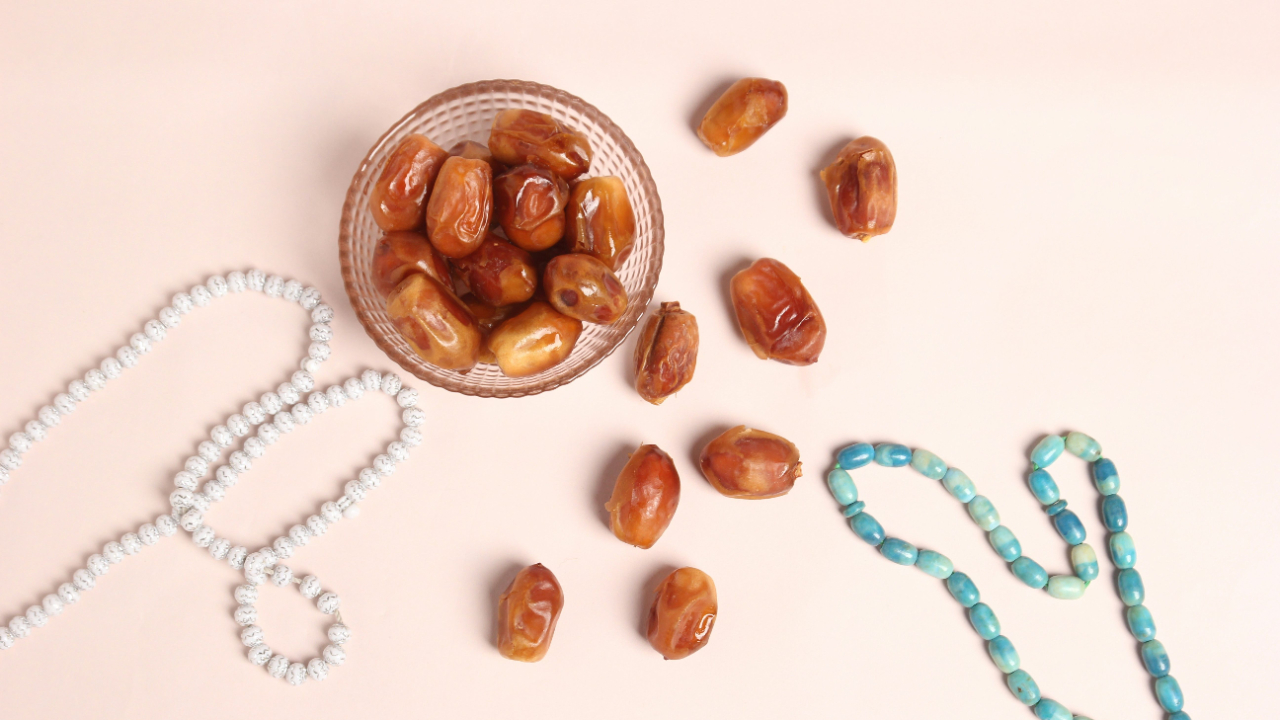
Among the many blessings Allah has bestowed upon us, food is one of the most fundamental. The Quran repeatedly reminds us to partake in what is halal and tayyib:
يَا أَيُّهَا الَّذِينَ آمَنُواْ كُلُواْ مِن طَيِّبَاتِ مَا رَزَقْنَاكُمْ وَاشْكُرُواْ لِلّهِ إِن كُنتُمْ إِيَّاهُ تَعْبُدُونَ
[2:172] O you who believe! eat of the good things that We have provided you with, and give thanks to Allah if Him it is that you serve.
This verse, like many others, encourages us to enjoy the sustenance provided by Allah. However, the command to eat what is tayyib (pure, wholesome) expands the discussion beyond mere permissibility (halal). It encompasses nutrition, ethics, and even spirituality. In our modern world, where commercial farming and ultra-processed foods dominate the market, we must reassess what it truly means to eat tayyib and its impact on our physical, mental, and spiritual well-being. And its impact on the environment as well.
Pleasure is Not Forbidden in Islam
One of the common m...
Learn to love what is good for you [2:216]

وَعَسَى أَن تَكْرَهُواْ شَيْئًاوَهُوَ خَيْرٌ لَّكُمْ وَعَسَى أَن تُحِبُّواْ شَيْئًا وَهُوَ شَرٌّ لَّكُمْ وَاللّهُ يَعْلَمُ وَأَنتُمْ لاَ تَعْلَمُونَ
[2:216] and it may be that you dislike a thing while it is good for you, and it may be that you love a thing while it is evil for you, and Allah knows, while you do not know.
In this verse, Allah reminds us of a profound truth: human perception is limited. We may detest something that holds hidden benefits or long for something that harms us. This verse from Surah Al-Baqarah is an invitation—to trust, to surrender, and to cultivate a mindset of growth by embracing discomfort.
This realization, deeply embedded in Islamic teachings, is also supported by psychological research and contemporary discussions on resilience and discomfort.
As we continue exploring well-being through the lens of the Quran this Ramadan, we build on our last reflection on how Allah desires ease for us—not through indulgence, but through the strengthening of our s...
Embrace the hardship that leads to ease [2:185]
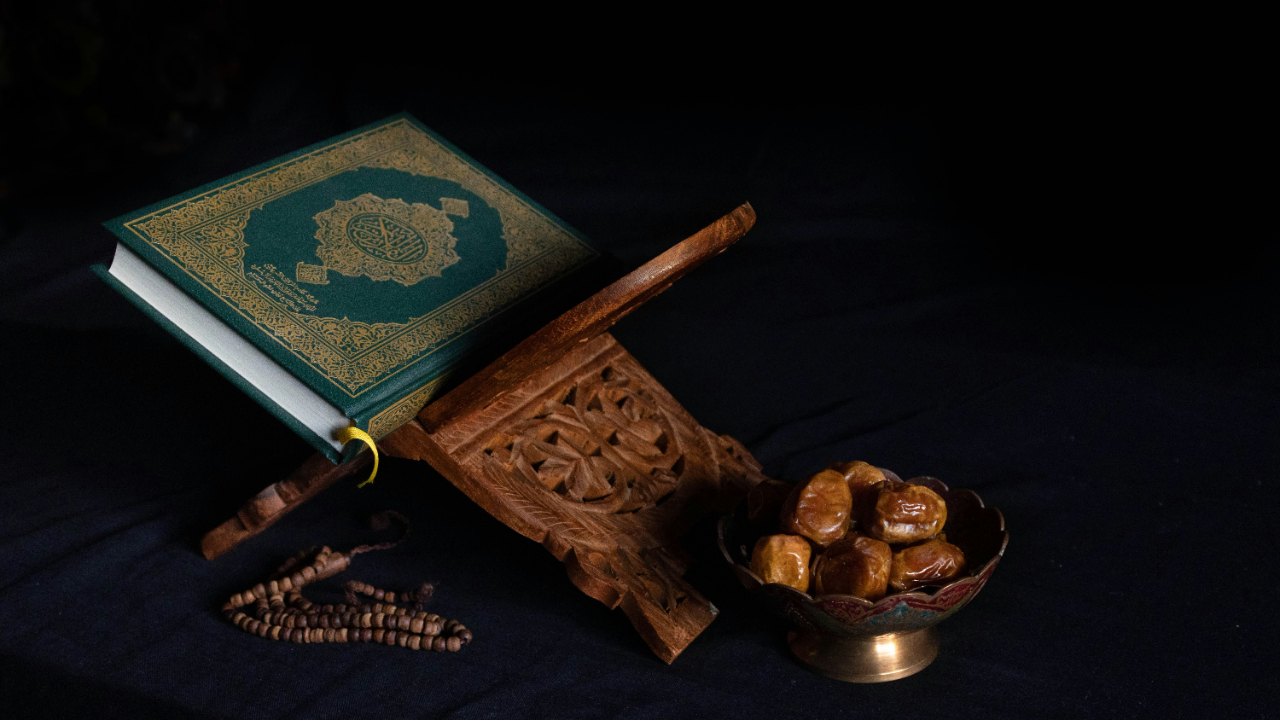
One of the verses that talks about fasting in the Quran is verse 185 of Chapter 2, Suratul Baqara.
After talking about the month of Ramadan where the Quran was revealed and fasting prescribed, Allah [swt] says:
يُرِيدُ اللّهُ بِكُمُ الْيُسْرَ وَلاَ يُرِيدُ بِكُمُ الْعُسْرَ وَلِتُكْمِلُواْ الْعِدَّةَ وَلِتُكَبِّرُواْ اللّهَ عَلَى مَا هَدَاكُمْ وَلَعَلَّكُمْ تَشْكُرُونَ
[2:185] Allah desires ease for you, and He does not desire for you difficulty, and (He desires) that you should complete the number and that you should exalt the greatness of Allah for His having guided you and that you may give thanks.
This verse is so interesting for many reasons. Let us explore two aspects of this verse today:
- After prescribing fasting, Allah says that He desires ease for us
- That you should keep fasting until you complete the month of Ramadan
For those of us who find fasting extremely challenging, the question might come up, "if He desires ease, why deprive us of food and water?" a...
How to attract blessings and mercy from Him [2:156]

In the previous discussion on verses 2-3 of Sura Ankabut, we explored how trials are an inevitable part of life. A trouble-free existence is not the reality of this world; rather, it is through tests that our faith and character are refined.
But once we accept that trials will come, the next crucial question is: How do we respond to them?
Allah (SWT) explicitly states in the Quran that He will test us. In Sura Al-Baqara, He says:
وَلَنَبْلُوَنَّكُمْ بِشَيْءٍ مِّنَ الْخَوفْ وَالْجُوعِ وَنَقْصٍ مِّنَ الأَمَوَالِ وَالأنفُسِ وَالثَّمَرَاتِ وَبَشِّرِ الصَّابِرِينَ
[2:155] And We will most certainly try you with somewhat of fear and hunger and loss of property and lives and fruits; and give good news to the patient,
In the next verse, He talks about an important quality of the sabireen, those who are patient in adversity:
الَّذِينَ إِذَا أَصَابَتْهُم مُّصِيبَةٌ قَالُواْ إِنَّا لِلّهِ وَإِنَّـا إِلَيْهِ رَاجِعونَ
[2:156] Who, when a misfortune befalls them, say: Surely we are All...
Adjust your expectations [29:2]

In Chapter 29 of the Quran, Sura Ankabut [The Spider], verses 2 and 3, Allah says:
أَحَسِبَ النَّاسُ أَن يُتْرَكُوا أَن يَقُولُوا آمَنَّا وَهُمْ لَا يُفْتَنُونَ
[29:2] Do men think that they will be left alone on saying, We believe, and not be tried?
وَلَقَدْ فَتَنَّا الَّذِينَ مِن قَبْلِهِمْ فَلَيَعْلَمَنَّ اللَّهُ الَّذِينَ صَدَقُوا وَلَيَعْلَمَنَّ الْكَاذِبِينَ
[Shakir 29:3] And certainly We tried those before them, so Allah will certainly know those who are true and He will certainly know the liars.
These verses are informing us about a fact of life: there will always be challenges to face and obstacles to overcome. This world is a place for trials and tests. In other words, we should not be surprised when we encounter challenges and upsets to our comfort and ease.
What is the purpose of these trials?
Scholars explain some reasons why Allah [swt] tests us:
Shows us the extent of our faith: Reveals to ourselves since He already knows. Reveals to us if our faith is faith of ...
Stop the blame game [7:23]

What happens when something goes wrong in our lives? Do we find it easy to take responsibility for our part in the situation or are we tempted to blame something or someone else for what has happened.
Blame is seductive. It’s easy, immediate, and often feels justified. It feels vulnerable and uncomfortable to accept responsibility for something that has gone wrong, an unsound decision or harm caused to ourselves or someone else. It is so much easier to look outside of ourselves and point the finger outwards rather than inwards.
Research in psychology has discovered something rather interesting: many of us tend to take the credit if things go well in life but put blame on others when things go bad. This is called the self-serving bias.
While tempting and understandable, blaming others comes with a cost. Beneath the surface of blame lie powerful barriers to our growth, peace, and potential.
Psychologists have discovered that blaming others is actually a form of emotional avoidance. W...
Could you do with a small, daily dose of inspiration?
Sign up for Quran Reflections delivered to your inbox!
Join me on YouTube for reflections and teachings to help you live the Quran daily!

Tune in to Loving & Living the Quran on Apple Podcasts for deeper conversations and inspiration.
Recent Posts

Marzia Hassan
Author
I am a counsellor specializing in couple therapy and parent coaching in Toronto, Ontario, Canada. Although my first degree was in Law (LLB from the University of Toronto), I realised that my true passion lay in counselling and coaching families and couples to build better relationships. I therefore started training in family and couple therapy and have been practicing marriage and family therapy for almost a decade.
